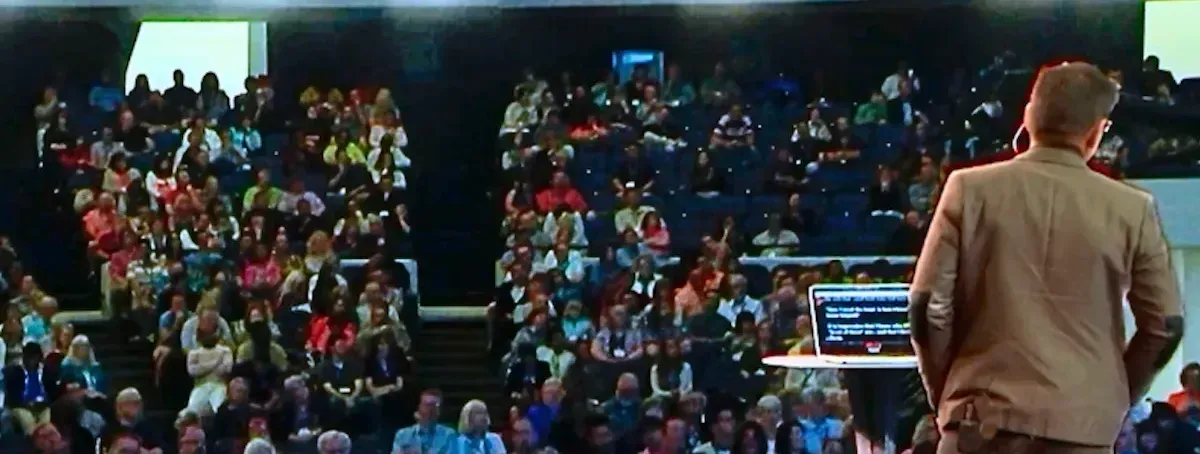
Thirty years of sitting across the table from founders, board rooms, and deal teams taught me something that no stage technique can replicate: how to notice what people aren't saying. The hesitation before the answer. The question behind the question. The thing the room knows but hasn't named yet.
That's what I bring to a stage. Not a script. A practiced intuition for what's sitting in the room and the willingness to say it out loud.
Every talk starts in the audience's experience and ends in their hands.
I don't do motivational. I do useful. The kind of talk where people take notes not because they're told to, but because they're hearing something they've been trying to articulate for months.
Recent
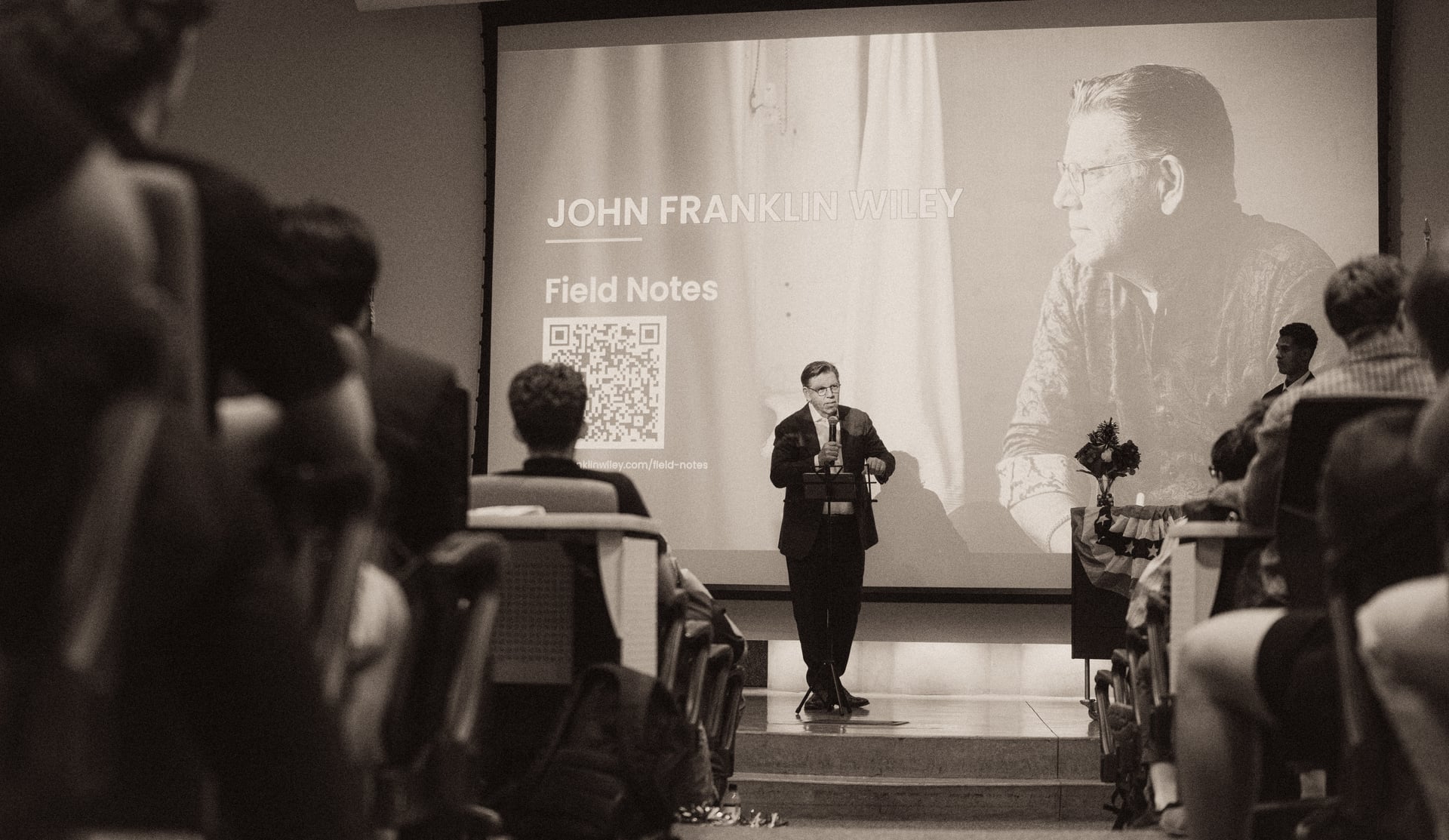
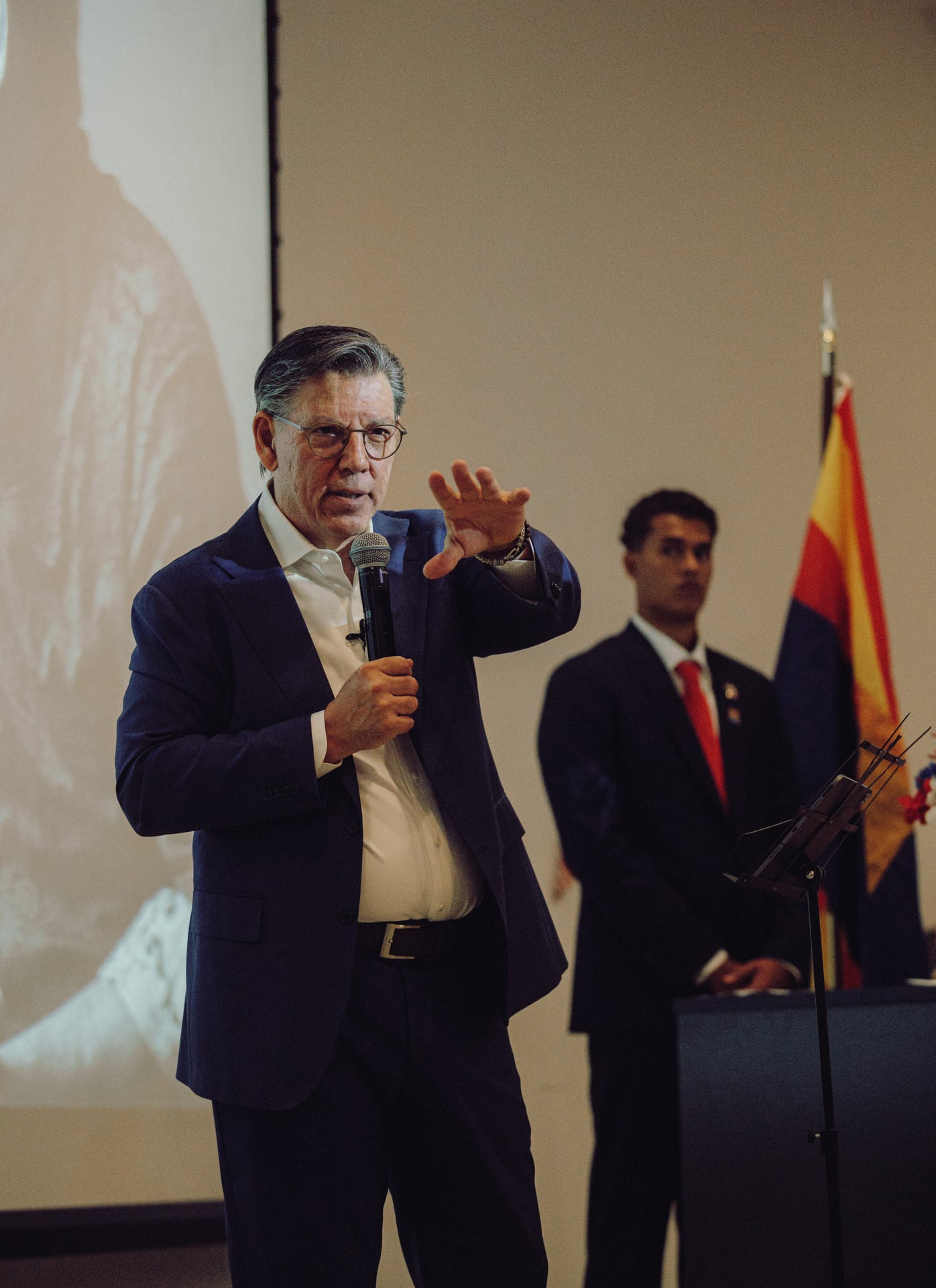
On May 31, 2026, I opened American Legion Arizona Boys State at the University of Arizona in Tucson. Two hundred fifty high school juniors had just sworn the Boys State Oath of Citizenship an hour earlier. The thirty-minute opening-night keynote walked them into what they already carried before any other speaker took the stage that week. The room was held by veterans, families, and the men who have run this program for decades. It was one of the most consequential rooms I have ever stood in front of.
Before I built businesses and advised on exits, I served as an elected Alderman for the City of Raytown, Missouri. That muscle still fires when I walk into civic rooms.
Current Talks
The Day After You Sell
Every owner imagines the closing. Almost nobody prepares for the morning after. This talk draws on 100+ buyer-side due diligence reviews to name the three decisions owners consistently wish they'd made sooner, and the one conversation that would have changed everything.
Book this talk →The Value You're Sitting On
Most owners are guessing at their number. Not because they're careless, but because the things that actually drive transferable value are invisible on a P&L. This session walks through the four capitals that represent eighty percent of what a buyer actually pays for, and the friction points that quietly suppress all of them.
Book this talk →The Transferable Business
A founder-dependent business is worth what the founder is willing to keep doing. A transferable business is worth what it produces without them. This talk lays out the structural shifts that turn the first into the second, drawn from decades of watching businesses succeed or stall at the point of transition.
Book this talk →The One Drill Every Business Should Run
Exit readiness is a fire drill, not a fire. One annual exercise can surface the dependencies, protect the enterprise value, and prepare a company for any transition, planned or unplanned. Almost nobody runs it until something forces them to. This talk makes the case for running it now.
Book this talk →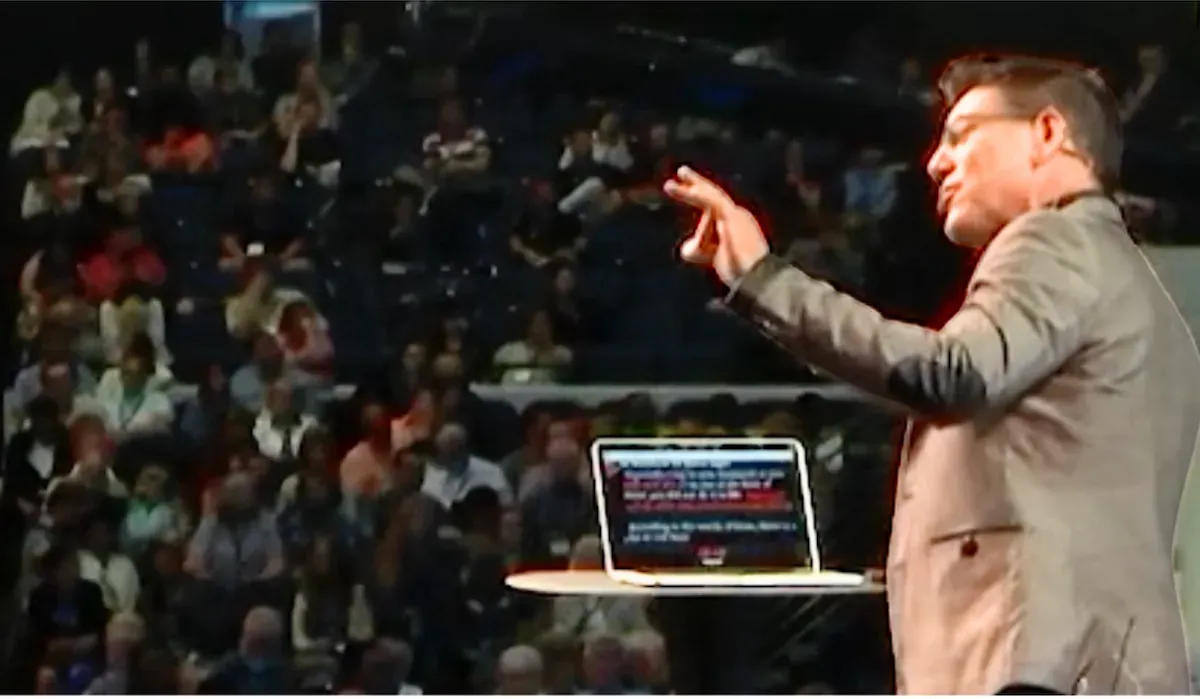
I speak at conferences, corporate events, CEO peer groups, and small rooms where the right fifteen people showed up. The format doesn't matter as much as the audience. If the people in the room are building something and carrying the weight of it, we'll have a conversation worth having.
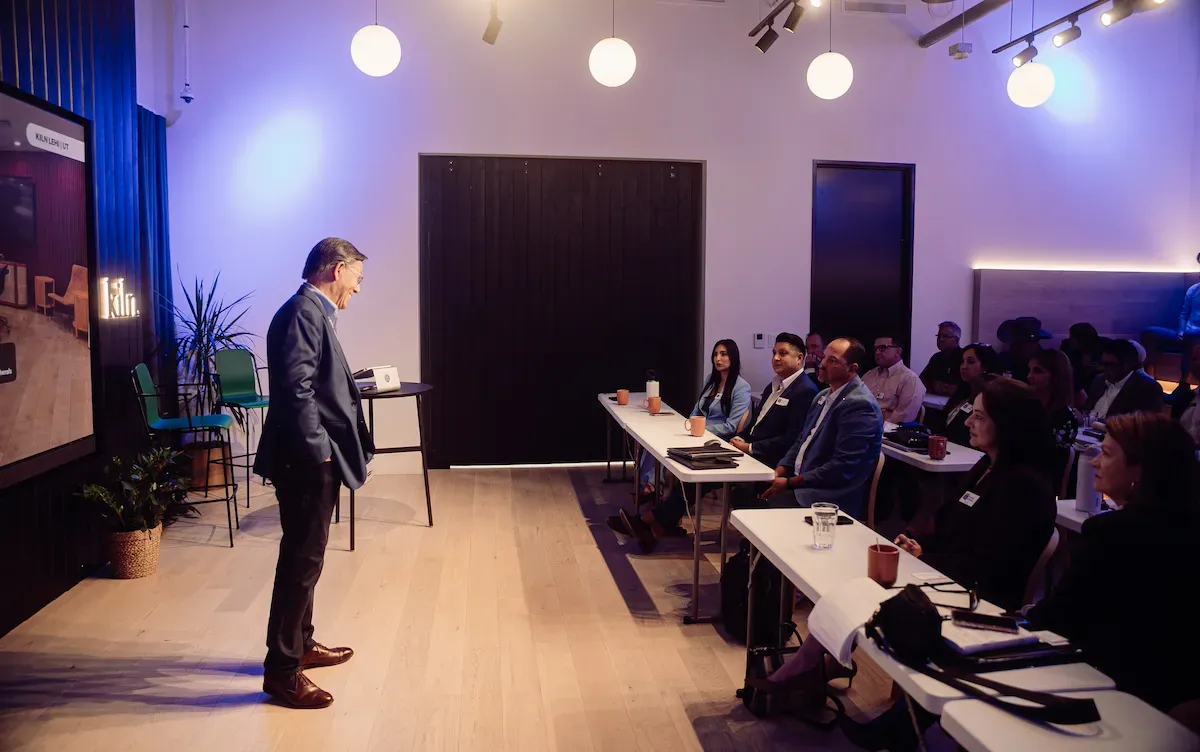
If you're putting together a program and you want a speaker who leaves your audience more curious than when they sat down, let's have a conversation.
I'm currently developing The Noticing Podcast, launching January 2027. If you would like a note when the first episode lands, the waitlist is at thenoticingpodcast.com.
Book a speaking engagement Book a Call