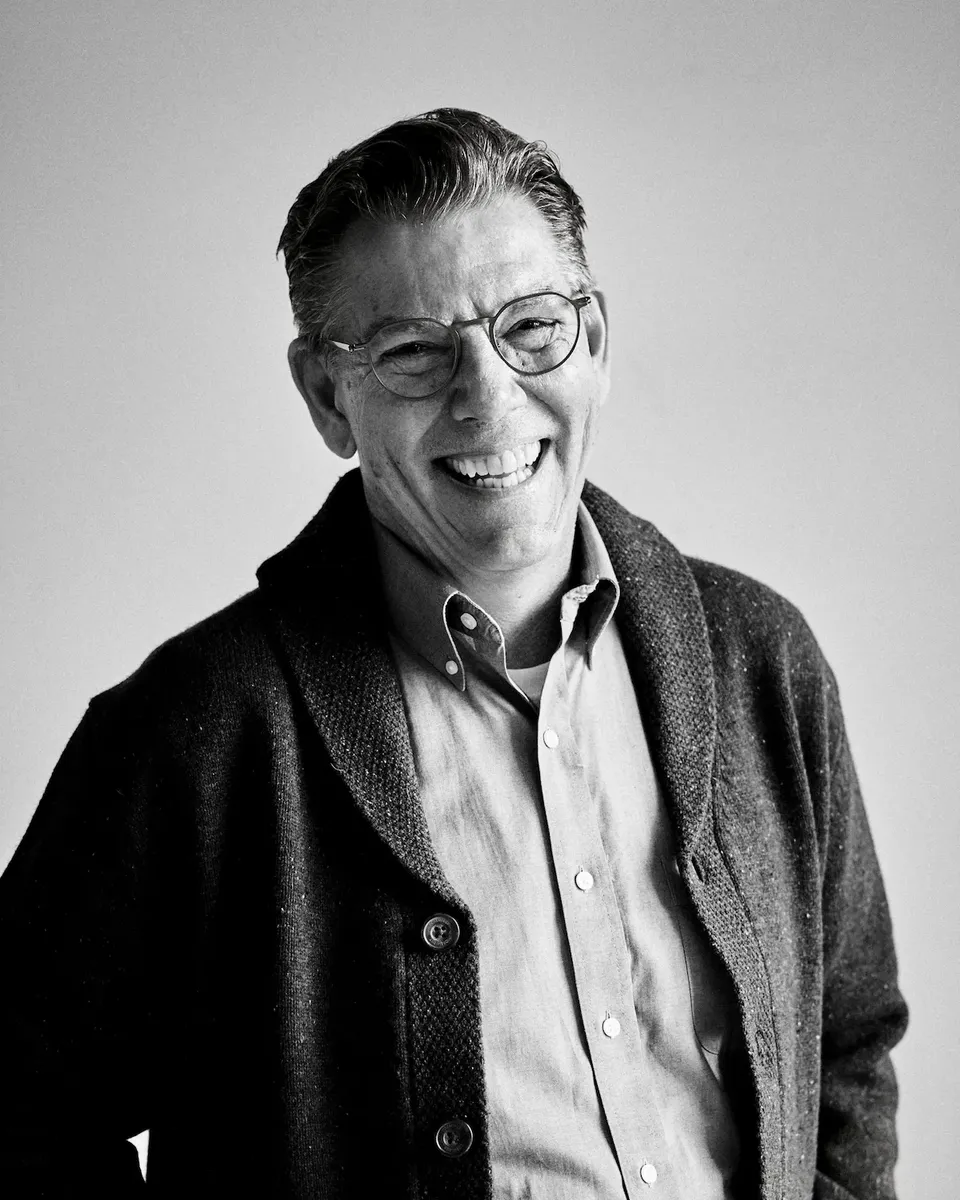
In 2009, I stood in front of a room full of people and asked a question I couldn't stop thinking about.
It came from a story I'd been carrying for years. A rich man and a beggar. The rich man had everything. The beggar sat at his gate, visible and ignored. Not hated. Not turned away. Just not noticed. Every day the rich man walked out of his house and stepped over the man at his door. He saw him. He never stopped.
The question I asked that room was simple: Who's at your door right now that you're stepping over?
I didn't know it at the time, but that question would become the thread connecting everything I've done since. Not a consulting framework. Not a philosophy. Just a question that kept showing up in every room I walked into.
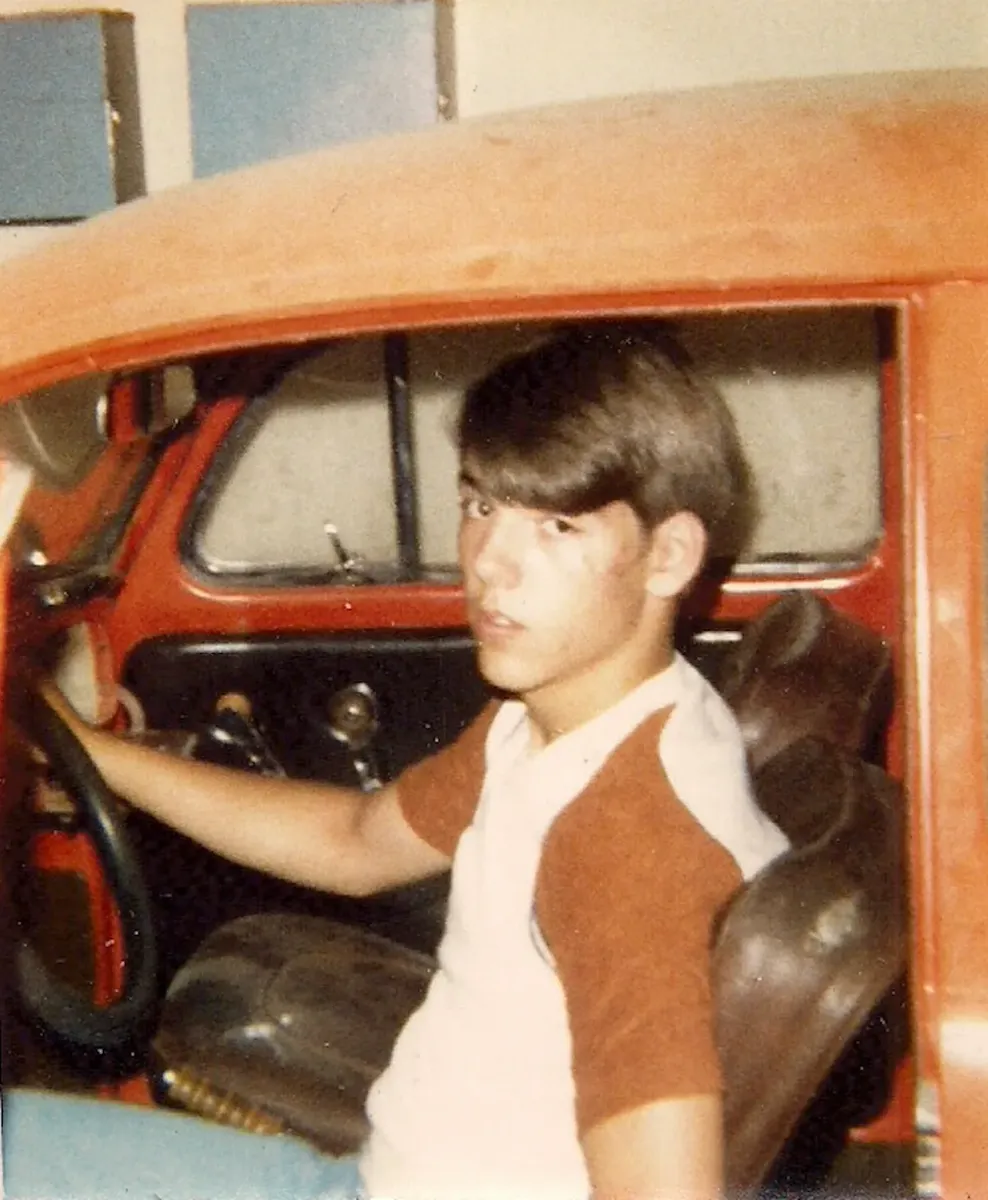
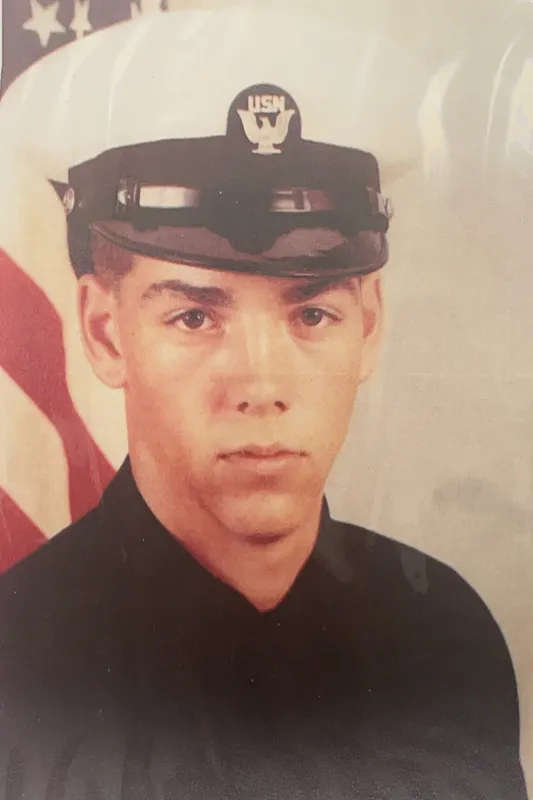
I started on the streets. Fifteen years old living alone, no safety net, learning fast that the world doesn't stop for you. The Navy came next. Submarines. Tight quarters, man-made manufactured air, and the understanding that the person beside you isn't optional. You notice them, make room for them or the whole submarine has a problem.
After the service, I walked into Adams Technologies. A family business with a patented technology and decades of an industry doing things the same time consuming way. I was the first person outside the family to be handed a set of keys. I started carrying a bag, walking into shops where people had been running the same processes for thirty years and didn't want some outsider telling them there was a better path. I grew that company from $1.2 million to $13 million. Not because the technology was good, though it was. Because I learned to stand in the gap between what people believed and what was possible, and hold that space long enough for them to see it themselves.
That lesson has followed me into every room since.
Years later, I drove past a boarded-up hospital in Kansas City. I'd driven past it hundreds of times. One day I stopped. Something about the building caught me the same way that question from 2009 would later catch me. Not a business plan. Not a vision statement. Just a noticing, followed by an intuitive knowing in my knower. That building became the River of Refuge, a community model that served homeless families with children for years and got national attention. People came to me afterward and said, "I want to do what you did. I want to buy an old hospital." And I'd say, "Please don't buy a hospital. Just notice who and what is in front of you. And don't try to shape it into something you imagined YOU wanted it to be so you can copy me. Rather, be curious and notice what the people around you need. Once you see and notice the need, follow your intuition."
That's the difference between seeing something and noticing it. Seeing is passive. Noticing followed by curiosity can lead to critical goods and services being brought to the marketplace. Or, it could be just as simple as showing up to help a neighbor.
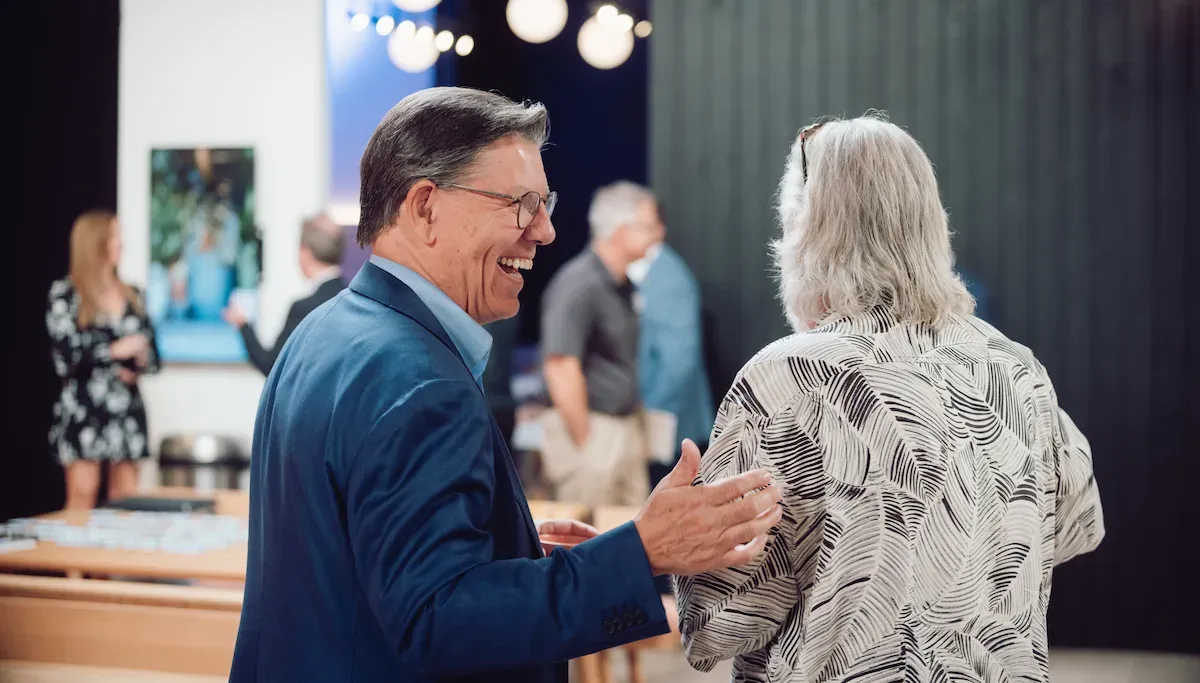
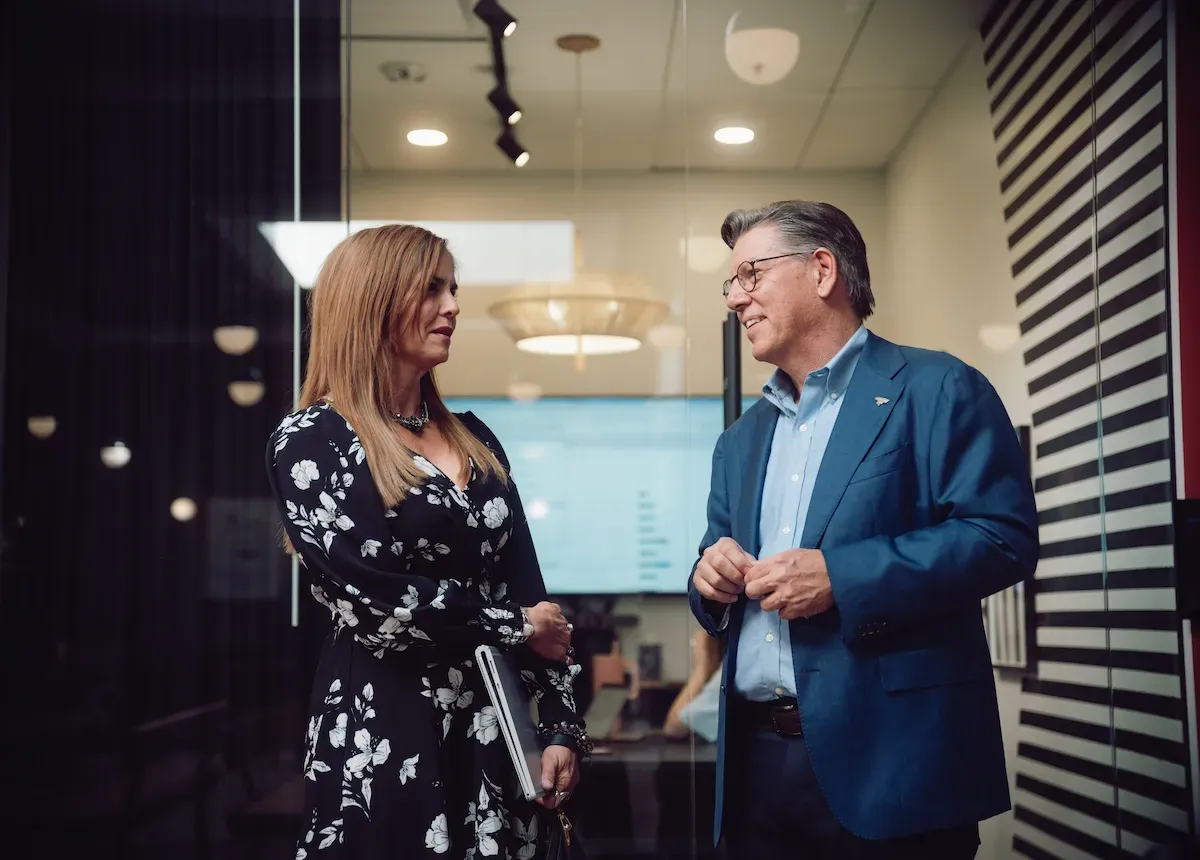
I've spent the years since then on both sides of the leadership table. Private equity as chief of strategy. Fractional C-suite roles. Ownership transitions where everything looks clean on paper, but the people are falling apart underneath the spreadsheet. I've sat with founders who built something extraordinary and then became the bottleneck inside their own company. I've guided buyers through acquisitions where the numbers said yes but the culture said run.
In every one of those rooms, the pattern was the same. The thing that needed attention wasn't on the agenda. It was underneath it. The founder's identity tangled up in the business. The leadership team performing confidence instead of having it. The question nobody was willing to ask out loud because asking it would mean the conversation could get uncomfortable.
Today, at the very core of who I am, I developed a kind of ninja skill of noticing.
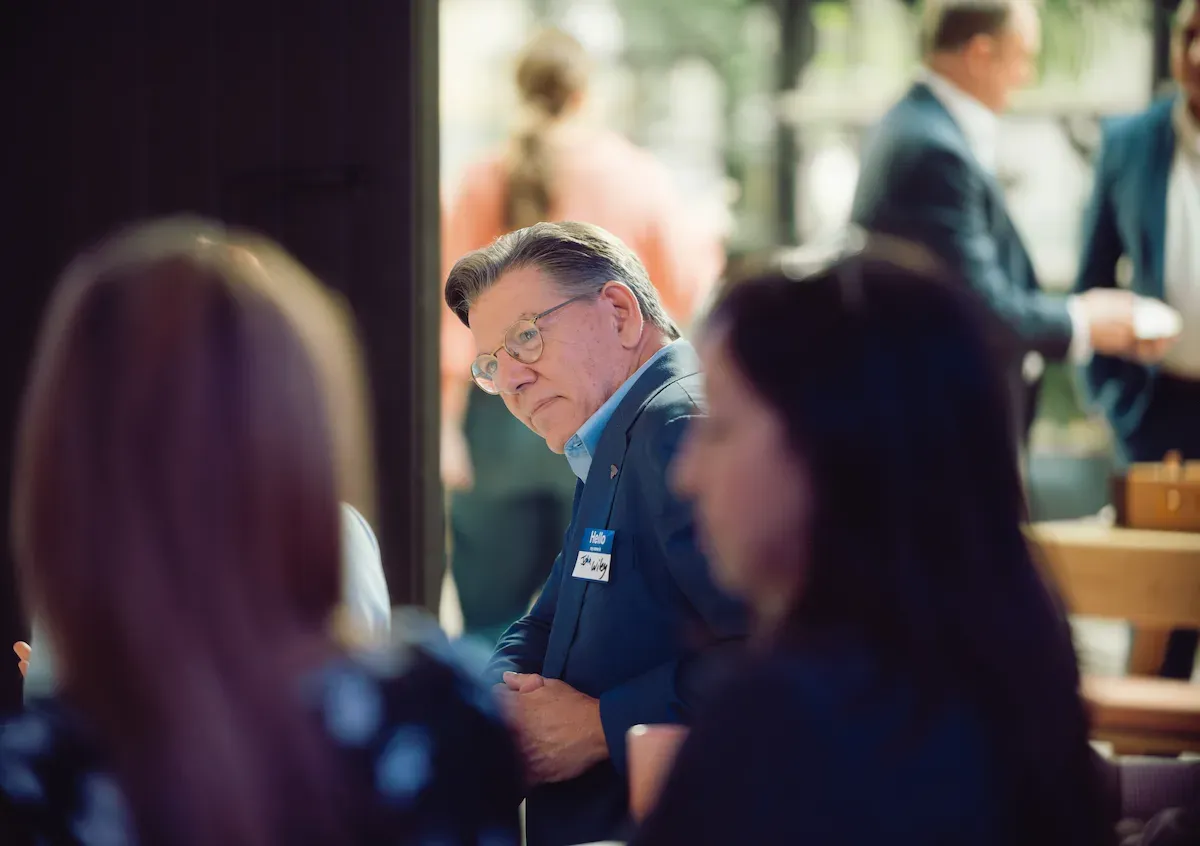
Here's what I've learned. Most advisors work from the numbers in. I work from the people out. Strategy matters. I've built enough of it to know. But strategy without the ability to read what's underneath the strategy is just spreadsheet theater. And intuition without a strategic frame is a hunch with no legs.
I operate in the convergence. I read the room before I read the deck. I notice the thing the founder isn't willing to say out loud, the thing the board hasn't named, the pattern that's been sitting in plain sight for months. That's where the work starts. Not with a deliverable. With a question.
I've come to call what I do Strategic Intuition. It's the only honest term I've found. Strategy and intuition, working together, neither one ranked above the other. If you've read this far, you already know what it means. You've watched me describe it for the last several minutes. It's noticing what's at the door, making room for curiosity, listening for intuition, then doing something about it.
If any of this resonates, I'd be glad to sit down. Not to sell anything. Not to pitch a framework. Just to talk. To see what I notice. The best conversations I've had started with someone saying, "I'm not sure what I need, but something you said landed."
That's enough. That's been always enough.
Let's have a conversation Book a Call