A marketing team I'd hired asked me to describe what I do in a fractional C-suite role. They wanted a clean title, a tidy description, maybe a few bullet points. I tried. It didn't work. Not because I can't articulate it, but because what I actually bring to a leadership team doesn't sit neatly inside one box.
I've been called CEO, Chief of Strategy, Chief Business Development Officer. Each title captured part of the picture. None of them captured the whole thing. So instead of forcing a label, I'm going to tell you what actually happens when I walk into a room.
What I Actually Do
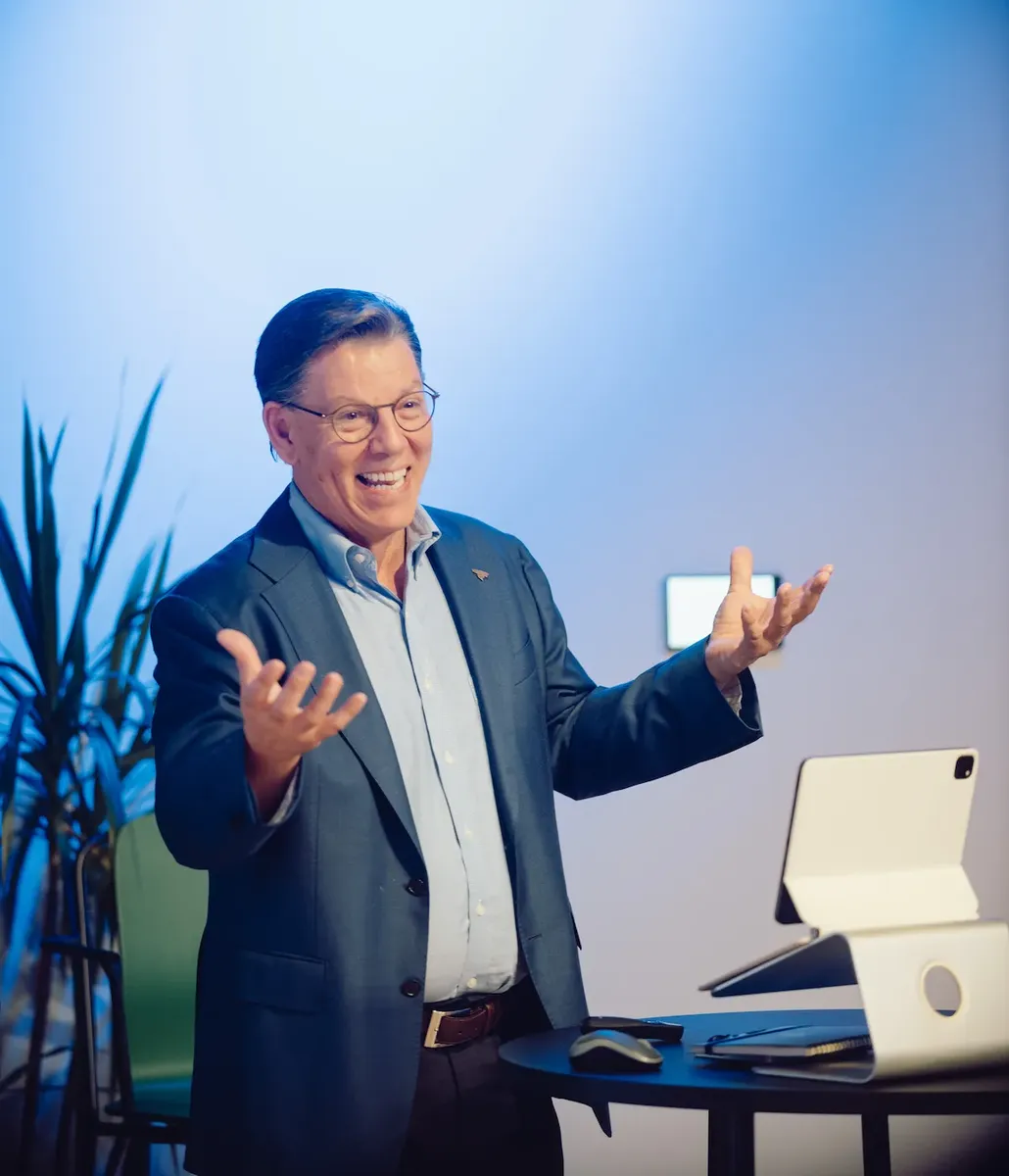
I read rooms.
I walk into a company, start meeting people, and I notice things. Where the energy is. Where the tension sits. Who's thriving and who's quietly drowning. What's working that nobody's talking about, and what's broken that everybody's tiptoeing around. I don't need a six-month assessment or a hundred-page report. I just know. I've known since I was fifteen years old.
I grew up on the streets. When you're a teenager surviving that way, you learn to read every room you walk into because your safety depends on it. What started as instinct became a skill. What became a skill became a discipline. And over thirty years of building companies, founding nonprofits, closing million-dollar deals, and leading teams through situations that should've broken them, that discipline became the sharpest tool I carry.
When I served as Chief of Strategy for a private equity firm, this is exactly what they hired me to do. Walk into any company they were looking to acquire. Meet the people. Read what's happening beneath the surface. Identify the oddities, the opportunities, the fault lines that due diligence spreadsheets can't see. They didn't hand me a playbook. They said, "Go be you." And it worked.
Where This Shows Up
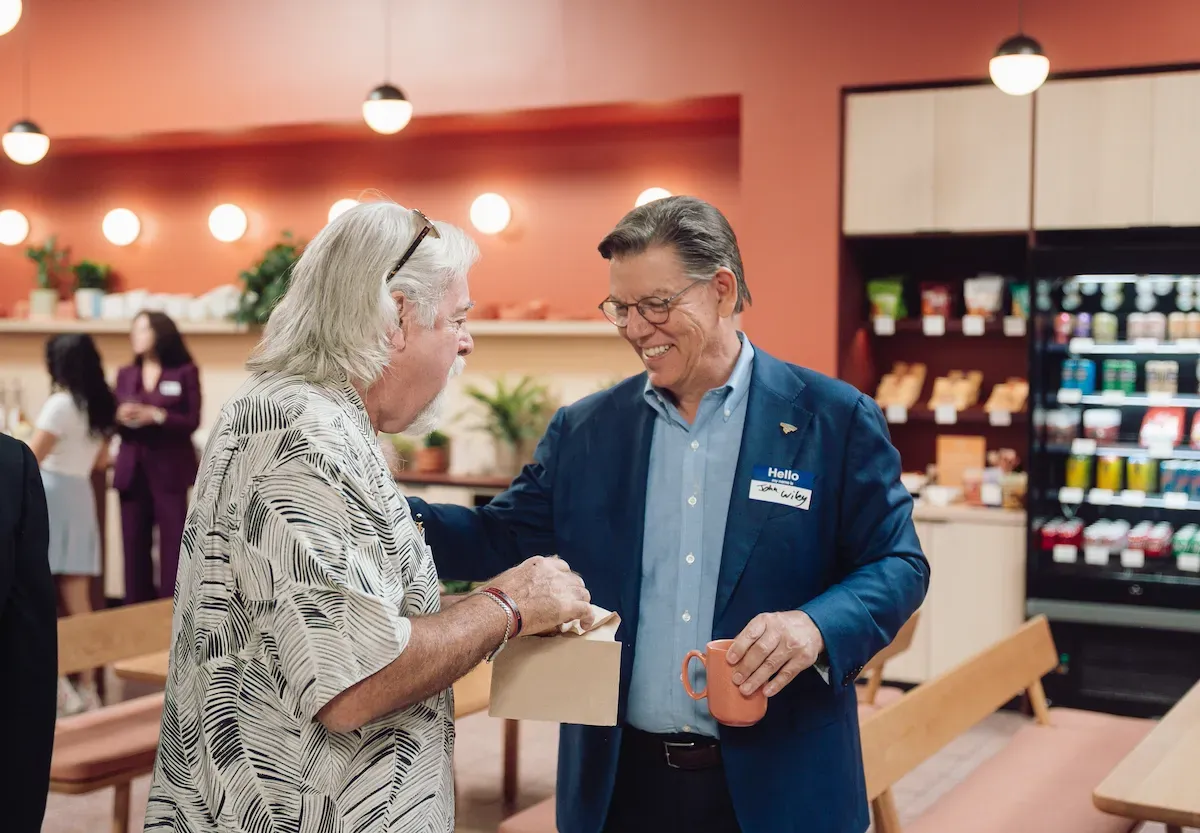
Team alignment and culture.
I've founded three churches from the ground up and stood up a nationally recognized nonprofit by converting a condemned 150,000-square-foot hospital into a $10M transitional housing campus. None of that happened because of doctrine or ideology. It happened because I know how to identify the values that bind a group of people together, codify those values into something they can rally around, and create the kind of mission continuity that turns a collection of individuals into a team that moves as one. I do it organically. I've done it my whole life.
Complex negotiations.
When I was selling half-million-dollar industrial laser systems, I got the hard clients. The stubborn business owners that nobody else could close. I got those leads on purpose, because my ability to sit with difficult people, listen past the resistance, and find what actually matters to them is something I've never seen replicated by a script or a sales methodology. It's intuition married to patience.
Market sensing.
This goes beyond people. I can feel where a market is headed. When I was founding and leading nonprofit organizations, I could read the rumblings months ahead of time. Cultural shifts, social politics, societal movements that hadn't surfaced yet. I knew where the ball was going to land six months out, a year out, sometimes a decade out. In a C-suite context, that same instinct reads consumer behavior, competitive positioning, and industry shifts before they show up in the data.
Vision casting and organizational clarity.
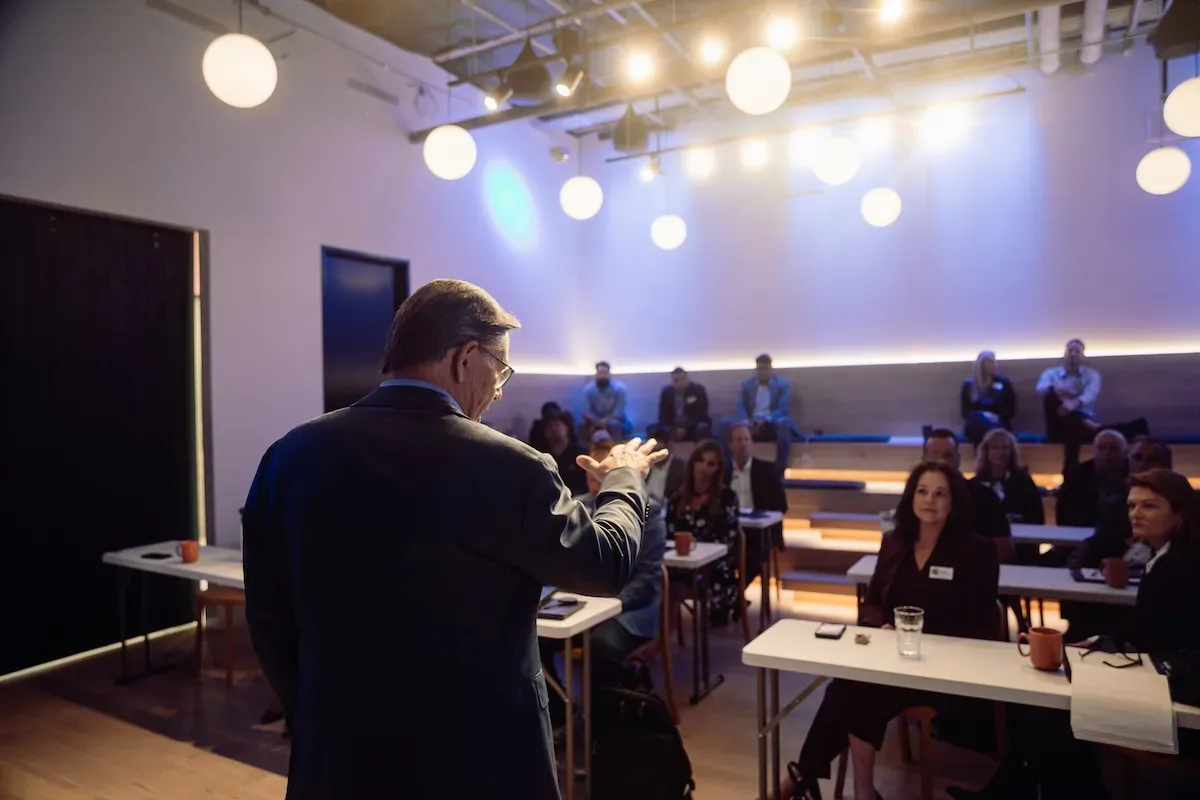
I stand in front of groups and create clarity where there was confusion. It's not a presentation skill. It's the ability to take something complex and tangled, name what everyone in the room is feeling but hasn't said, and hand them a path forward they can actually walk. I've done this in boardrooms, at investor tables, in church services with thousands of people, and in one-on-one conversations where everything was on the line.
What You're Really Getting
You're not getting a placeholder. You're not getting someone who will review your org chart and hand back a recommendation memo. You're getting a person who will sit with your people, walk your hallways, sense what's happening in the spaces between the meetings, and tell you what he sees. Directly. With warmth, but without hedging.
I'm not a turnaround specialist. I'm a strategist who happens to understand people at a level that most strategists don't. I understand how human beings work together, where they get stuck, what motivates them to move, and what quietly kills a team's energy when nobody's paying attention.
I'm also not just a people person. I understand markets. I understand deal structures. I've vetted $75M+ in acquisitions. I've managed $60M in real estate transactions in a single year. I've grown a company's revenue from $1.2M to $13M. The numbers are real. But the numbers happened because of the instinct, not the other way around.
The Roles I Flex Into
Depending on what an organization actually needs, I've operated as:
Interim CEO
When leadership has a gap and the team needs someone who can hold the room, unify the mission, and keep the train on the rails while the right long-term answer becomes clear.
Chief of Strategy
When the company knows it needs to move but can't see the path. I walk the halls, read the room, and build the plan from what I find.
Chief Culture and Human Capital Strategist
When the problem isn't the business model, it's the people dynamics. Values aren't aligned. Talent is in the wrong seats. The mission has drifted. I see it and I name it.
Chief Business Development Officer
When the revenue engine needs someone who builds relationships the old way: one handshake, one honest conversation, one closed deal at a time.
The title matters less than the function. If you need someone who can walk into your organization and, within weeks, tell you what nobody else has been willing or able to say, that's what I do.
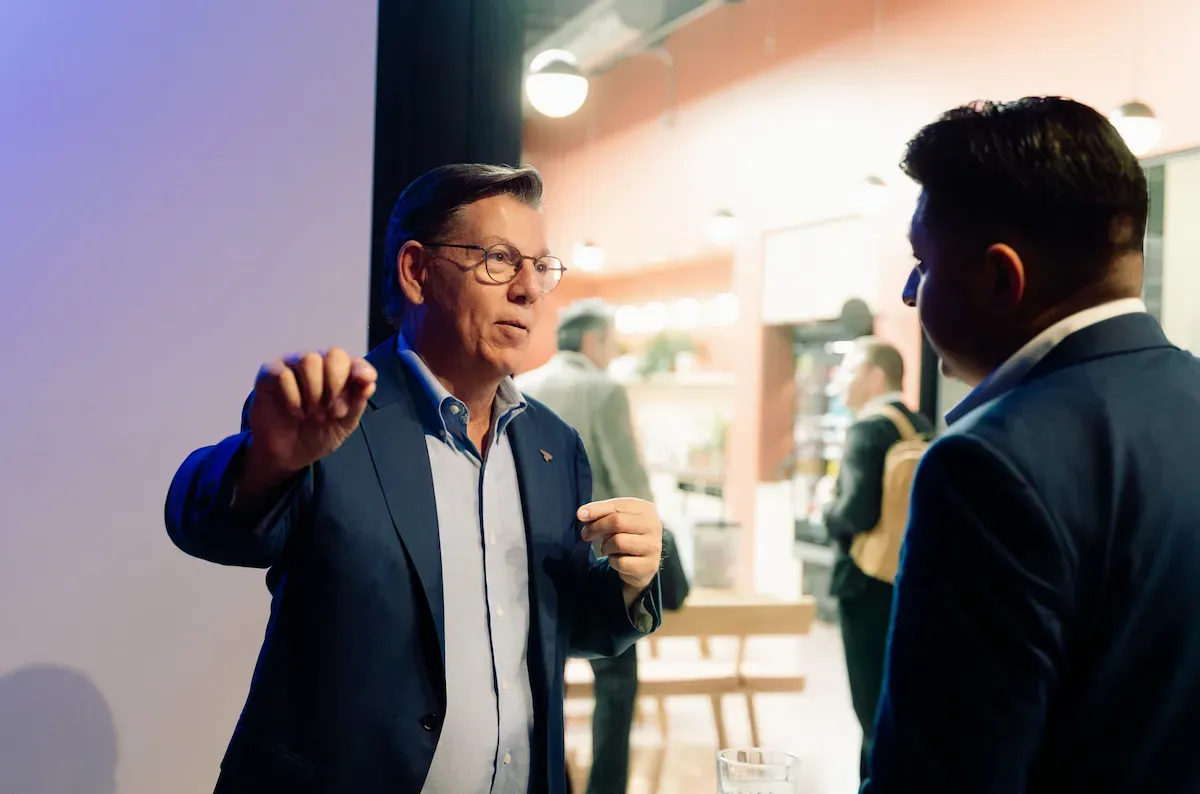
Navy submarine veteran. Survived the streets at fifteen. Built a company's revenue tenfold. Converted a condemned hospital into a $10M nonprofit. Led multi-state operations as CEO. Vetted $75M+ in acquisitions for private equity. Certified Exit Planning Advisor. Father of three. Beekeeper. Sixty-three years old and often the most curious person in the room.
Let's Have a Conversation
I don't do sales calls. I do conversations. If something on this page resonated, if you read it and thought, "That's the person we've been looking for but couldn't describe," then let's sit down. I'd rather spend thirty minutes being curious about what you're building than send you a proposal you didn't ask for.
Start a conversation Book a Calljohn@johnfranklinwiley.com | Scottsdale, Arizona | Available for fractional, interim, and advisory engagements nationally.